Haiti Travel Memoir
In thirty days of traveling through Haiti, Max C. Sconyers Jr. was injured, held at gunpoint, kidnapped, rescued, and confronted with violence that would remain with him long after he returned home.
Buy on AmazonA Journey Through Haiti Few Travelers Experience
Travel memoirs bring readers into places through one person’s memories, relationships, mistakes, observations, and emotional responses. The most powerful accounts do more than describe scenery. They reveal what happened when the destination challenged the traveler’s expectations and exposed parts of himself he could no longer ignore.
Killing Haitians: A Mission Through Hell & A Haitian Love Story is a Haiti travel memoir unlike a conventional vacation narrative. Max C. Sconyers Jr. traveled with good intentions, but the journey almost cost him his life.
His book combines personal memories with other firsthand accounts of the Haitian experience. The result is a gritty story of natural beauty, hardship, violence, affection, rescue, spiritual questions, and a personal search for peace.
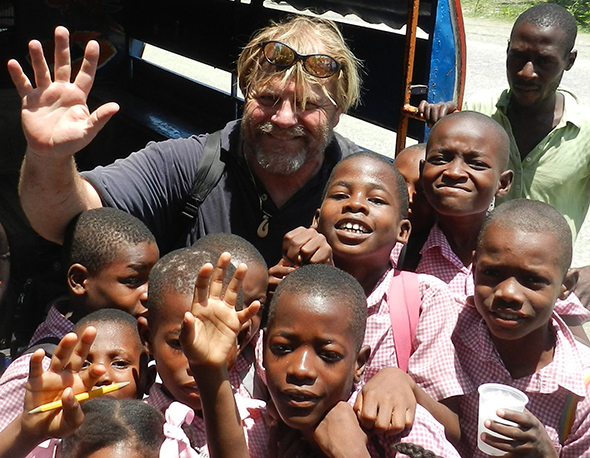
Haiti Beyond the Travel Postcard
Haiti cannot be understood through one image. Its coastline and tropical landscape can suggest paradise, while the lives of its people reflect history, cultural depth, resilience, economic hardship, instability, and complicated social realities.
Max’s journey did not remain within the boundaries of a comfortable visitor’s experience. He encountered people and circumstances that revealed both severe danger and meaningful human connection.
This Haiti travel memoir presents the country through a particular journey rather than claiming to explain every Haitian person or experience. Max records what he witnessed, what happened to him, and what the journey ultimately required him to confront.
Three Sides of the Haiti Journey
Max’s account brings together the physical reality of travel, the immediate threat of violence, and the internal struggle of a man whose mind was already troubled before the danger began.
Beauty and Hardship
Haiti appears as a country of striking beauty, deep relationships, cultural complexity, suffering, resilience, and contradiction.
Thirty Unpredictable Days
Injury, armed confrontation, kidnapping, witnessed violence, and rescue transformed the trip into a fight for survival.
What Came Home With Him
Physical escape did not erase the fear, memories, relationships, and questions created during the journey.
Thirty Days That Almost Cost Max His Life
During his time in Haiti, Max received two bloody noses, was held at gunpoint, kidnapped, and eventually rescued. He also witnessed two Haitians being beaten and killed. These events transformed the journey into an experience that could not be left behind when he departed the country.
In fiction, the author decides where danger begins and when rescue arrives. Max had no such assurance while the events were happening. He did not know what another person intended, where a confrontation might lead, or whether help would arrive in time.
That uncertainty gives the story the tension of a thriller, but its lasting force comes from the fact that the people and consequences were real. Max survived to tell the story, but survival did not erase what he witnessed.
One Journey Does Not Define an Entire Nation
This book recounts Max’s particular experiences. It does not suggest that every journey to Haiti follows the same path. The memoir includes danger and loss, but it also records assistance, affection, courage, rescue, and relationships that mattered deeply.
A Traveler Who Was Already Struggling
Max describes himself as a man who was out of control in his mind, though well-intended in his heart. This admission distinguishes the story from a heroic adventure in which the central figure is fearless, perfectly prepared, and always correct.
His internal condition traveled with him. The instability around him did not encounter an untouched observer; it encountered a person carrying his own conflict, emotional pain, desires, and vulnerabilities.
As a result, the book is not only about what Haiti did to a traveler. It is also about what the journey revealed within him. External danger forced an internal reckoning that would continue beyond the thirty days described in the story.
The Loss of Control
Travel usually creates a sense of freedom. A visitor chooses where to go, what to see, and when to leave. Being held at gunpoint destroys that freedom immediately. Being kidnapped extends the loss of control into a frightening uncertainty where movement, time, location, and safety are decided by others.
Max’s account places readers inside that vulnerability. Plans become irrelevant. Preparation reaches its limit. Survival depends upon decisions made under pressure and the willingness of other people to intervene.
Rescue therefore becomes more than a dramatic conclusion. It demonstrates that survival is rarely achieved alone. Even in a journey containing cruelty and violence, another person’s courage or compassion can determine whether someone returns home.
Remembering the People Within the Story
A Haiti travel memoir must do more than use the country as an exotic or frightening background. Haiti is made up of people whose lives do not begin when a foreign traveler arrives or end when he leaves.
Max’s story includes individuals who frightened him, harmed others, formed relationships, offered assistance, and contributed to his rescue. Their motives and circumstances cannot always be reduced to simple categories.
The book’s title is intentionally difficult, but the account is not an argument against Haitian people. The violence Max witnessed included Haitian victims whose deaths remained part of his memory. The story asks readers to encounter their humanity rather than treating their suffering as background drama.
A Mission Through Hell and a Haitian Love Story
The subtitle joins two experiences that appear incompatible. A mission through hell suggests terror, brutality, and the possibility of death. A Haitian love story suggests affection, loyalty, vulnerability, and human connection.
Both belong to Max’s journey. The relationships within the memoir prevent danger from becoming its only meaning. Love does not erase what happened, but it changes how the experience is understood and remembered.
This contrast also reflects the complexity of Haiti itself. Beauty and suffering, danger and kindness, desperation and courage can exist within the same place and sometimes within the same day.
What Survival Leaves Behind
Returning home creates physical distance from danger, but memory does not follow geographical boundaries. The survivor may remain connected to the experience through fear, guilt, grief, anger, gratitude, and unanswered questions.
Witnessing violence against others can be especially difficult to resolve. The person who survives may continue wondering why events unfolded as they did and whether anything could have changed the outcome.
Max’s Haiti travel memoir therefore continues beyond escape. It is also about carrying the journey home and attempting to find peace after surviving events that nearly ended his life.
For Readers Who Want More Than a Conventional Travel Story
Readers interested in Haiti, Caribbean travel, survival narratives, firsthand international accounts, Christian social issues, and real-life thrillers will find several interconnected stories within this memoir.
There is an account of physical danger, but also an examination of mental turmoil. There is witnessed brutality, but also rescue and compassion. There is a journey through hell, but also a love story.
Killing Haitians: A Mission Through Hell & A Haitian Love Story presents Haiti through the memories of a man who arrived with good intentions, survived circumstances he did not anticipate, and returned with a story he ultimately chose to share.
Killing Haitians: A Mission Through Hell & A Haitian Love Story
Follow Max C. Sconyers Jr. through thirty days of danger, kidnapping, rescue, witnessed violence, relationships, and personal reckoning in Haiti.
Buy Paperback or Kindle on AmazonThe audiobook purchase option will be added when online ordering becomes available.