Unintentional Expat Danger Stories
Max C. Sconyers Jr. did not travel to Haiti intending to become the subject of a survival memoir. During thirty days in the country, he was injured, held at gunpoint, kidnapped, rescued, and changed by the people and events he encountered.
Buy on AmazonWhen a Foreign Journey Becomes Deeply Personal
Some people move abroad with a clear plan to build a new life. Others travel for a shorter purpose but become entangled in local relationships, responsibilities, and circumstances that make the experience feel far deeper than an ordinary visit.
Readers searching for unintentional expat danger stories are often drawn to accounts in which a person enters an unfamiliar country without expecting to become so deeply involved. The traveler may not technically become a permanent expatriate, but the journey crosses the comfortable boundaries of tourism and changes the person’s understanding of home, safety, and belonging.
Max’s stay in Haiti lasted thirty days, so his book is not a conventional long-term expatriate memoir. Yet Killing Haitians: A Mission Through Hell & A Haitian Love Story contains the danger, relationships, cultural immersion, dependence, and emotional consequences that attract readers to this kind of true international story.
A Journey Without the Safety of Distance
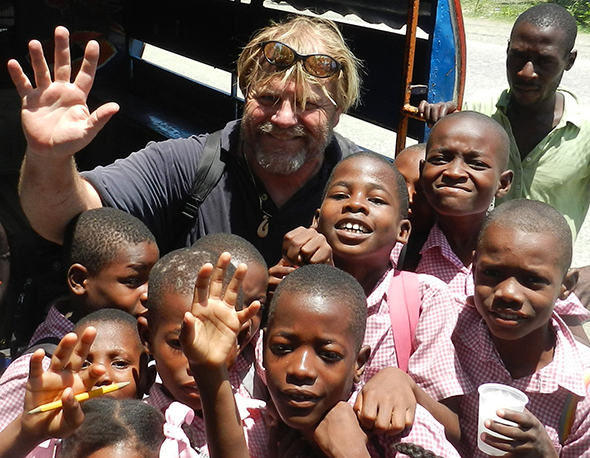
An ordinary visitor can often keep emotional and practical distance from the place being visited. Transportation is arranged, lodging provides a retreat, and the traveler maintains a clear boundary between the destination and home.
Max’s experience did not remain within those boundaries. During his time in Haiti, relationships and circumstances drew him into situations that could not be observed safely from the outside.
His good intentions did not protect him from danger. He received two bloody noses, was held at gunpoint, kidnapped, and later rescued. He also witnessed two Haitians being beaten and killed.
Three Boundaries the Journey Crossed
The experience became more than travel when Max lost control of his surroundings, became dependent on other people, and formed connections that gave the danger lasting emotional meaning.
From Watching to Experiencing
Max was no longer viewing Haiti from a visitor’s safe distance. The country’s relationships and dangers became part of his own life.
From Independence to Captivity
Being held at gunpoint and kidnapped removed his freedom to decide where the journey would lead or when it would end.
From Travel to Personal Reckoning
The people, danger, violence, love, and memories followed him emotionally even after he returned home.
When Good Intentions Meet an Unfamiliar Reality
Entering another country with good intentions can create confidence that the purpose of the trip will determine its outcome. A traveler may believe that because he means well, other people will understand him, circumstances will remain manageable, and the journey will unfold according to plan.
Max’s experience challenged those assumptions. He describes himself as being well-intended in his heart but out of control in his mind. His internal struggle traveled with him and encountered an external environment he could not predict.
This vulnerability separates the memoir from a story about a perfectly prepared outsider overcoming a foreign place. Max does not present himself as fearless or untouched by his own mistakes. The journey forced him to confront danger around him and turmoil within him.
Not a Conventional Expat Memoir
Max was in Haiti for thirty days rather than establishing permanent residence. The book is best understood as a firsthand travel and survival memoir. It nevertheless speaks to readers interested in unintentional expat danger stories because of its cultural immersion, personal relationships, loss of control, and life-changing consequences.
Held at Gunpoint in a Foreign Country
Being threatened with a weapon is terrifying anywhere. In a foreign country, unfamiliar surroundings and cultural differences can intensify the uncertainty. The traveler may not understand every word, motive, or relationship shaping the confrontation.
Ordinary plans lose their importance. The immediate question becomes whether the person holding the weapon will allow the traveler to leave alive. Every movement and response must be considered without complete information.
Max’s account gives readers access to that uncertainty. Although the existence of the memoir shows that he survived, the man living through the event had no guarantee that rescue would come.
Kidnapped and Dependent on Others
Kidnapping removes the independence usually associated with travel. Max could no longer decide where he would go, whom he would encounter, or how the experience would end. His survival became dependent upon other people’s decisions.
This dependence is central to many international danger stories. A traveler may arrive believing that preparation, money, confidence, or nationality will provide protection. Captivity reveals how quickly those protections can fail.
Rescue also reveals the other side of dependence. Max survived because people intervened. His account therefore contains evidence of both human cruelty and human courage.
The Haitian People Were More Than Background Characters
A responsible travel memoir cannot treat local people as scenery for a visitor’s dramatic story. Each person encountered has a life, history, family, fear, and set of pressures that existed before the traveler arrived.
Max’s experience included people who created danger, people who suffered, people who formed relationships with him, and people who contributed to his rescue. Haiti cannot be reduced to any single one of those encounters.
This is especially important because Max witnessed two Haitians being beaten and killed. Their suffering was not simply part of an outsider’s adventure. Their deaths became memories he carried and part of the human cost recorded in the memoir.
A Haitian Love Story Within the Danger
The book’s subtitle places a Haitian love story beside a mission through hell. That contrast reveals how deeply personal the journey became. Fear and affection, danger and loyalty, suffering and connection existed within the same thirty days.
Love does not erase the violence, but it prevents violence from becoming the only truth about Max’s experience. The people he encountered could not be divided neatly between threats and rescuers, nor could Haiti be represented only as paradise or danger.
This emotional complexity helps explain why the journey remained powerful after Max returned home. He was not simply leaving a dangerous place. He was leaving people and relationships connected to an experience that had changed him.
Returning Home Without Leaving the Experience Behind
International travel has a clear geographical ending. A person boards a plane, crosses a border, or reaches familiar surroundings. The emotional ending is rarely as simple.
Memories of injury, weapons, captivity, witnessed violence, love, and rescue do not remain in the country where they occurred. They return with the traveler and may reshape his understanding of safety, faith, responsibility, and home.
Max’s story continues through this personal reckoning. Physical survival allowed him to return, but understanding what happened required a longer journey.
For Readers of Unintentional Expat Danger Stories
Readers drawn to unintentional expat danger stories often want accounts in which an outsider becomes unexpectedly entangled in the realities of another country. They want to see what happens when the usual protections of tourism disappear and the traveler must rely on local relationships to survive.
Killing Haitians: A Mission Through Hell & A Haitian Love Story offers that intensity while remaining honest about the duration of Max’s visit. It is a thirty-day Haiti travel memoir rather than a permanent expatriate account.
Within those thirty days, however, Max experienced more danger, loss, affection, dependence, and internal conflict than many people encounter across years of travel. He entered Haiti as a visitor and returned as the survivor of a story he ultimately chose to tell.
Killing Haitians: A Mission Through Hell & A Haitian Love Story
Follow Max C. Sconyers Jr. through thirty days of danger, kidnapping, rescue, witnessed violence, love, and personal reckoning in Haiti.
Buy Paperback or Kindle on AmazonThe audiobook purchase option will be added when online ordering becomes available.