Real Life Thriller Memoirs
Max C. Sconyers Jr. entered Haiti with good intentions and found himself injured, held at gunpoint, kidnapped, and dependent on others for rescue. This is the story of what happened—and what survival left behind.
Buy on AmazonThe Most Powerful Thrillers Are Sometimes True
A fictional thriller offers readers a controlled encounter with danger. However frightening the story becomes, someone has already decided how it will end. The characters follow a written path, and every rescue, loss, and confrontation exists because an author placed it there.
Real life thriller memoirs carry a different kind of tension. The person inside the event did not know whether there would be a rescue or a safe ending. Decisions had to be made without knowing which choice would lead toward safety and which might make the danger worse.
Killing Haitians: A Mission Through Hell & A Haitian Love Story belongs to this world of true suspense. Max C. Sconyers Jr. recounts thirty days in Haiti during which his intended journey became a fight to survive circumstances he could not control.
A True Story of Danger and Survival
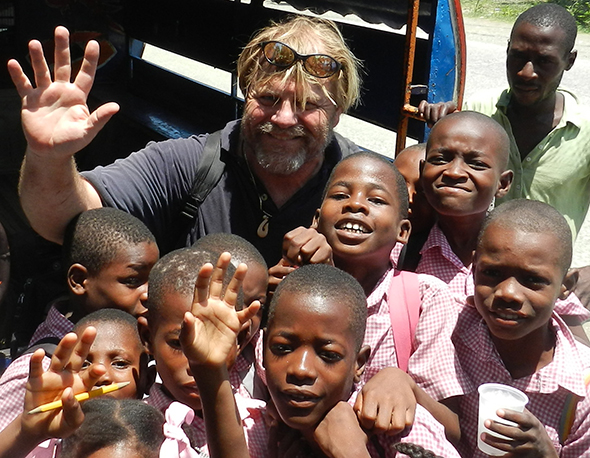
During his travels in Haiti, Max received two bloody noses,, was held at gunpoint, kidnapped, and eventually rescued. He also witnessed two Haitians being beaten and killed. These events were not created to produce a dramatic scene. They became part of his lived experience.
The story gains its intensity from uncertainty. Max could not turn the page to see whether help was coming. He did not know what another person intended or whether the next decision would bring him closer to safety.
His account combines immediate physical danger with a deeper internal struggle. Max describes himself as a man who was out of control in his mind, though well-intended in his heart. The journey forced both conflicts into the open.
What Defines a Real Life Thriller Memoir?
Suspense alone does not create a meaningful memoir. The strongest true accounts combine danger with vulnerability, reflection, and an honest examination of the person who lived through the experience.
Consequences Were Real
Weapons, injury, kidnapping, and witnessed violence carried consequences that could not be reversed by rewriting the story.
No Promised Ending
Max experienced each confrontation without knowing whether intervention would come or whether he would return home.
The Inner Story Matters
The memoir considers Max’s own state of mind, choices, relationships, and the personal cost of surviving what he witnessed.
The Man Inside the Danger
Some survival stories present the central figure as fearless, perfectly prepared, and always capable of making the right decision. Max’s account begins from a more vulnerable place. He entered Haiti as a man struggling within himself, even while believing that his intentions were good.
That admission matters because it keeps the memoir from becoming a polished legend. Max does not separate himself from the disorder surrounding the journey. His mental state, emotions, judgment, and relationships remain part of the story.
Physical danger exposes human limits quickly. A person who believes he is independent may suddenly become dependent on strangers. Plans lose their authority. Survival may rest on someone else’s courage, mercy, loyalty, or willingness to intervene.
A True Thriller With a Human Center
The suspense draws readers into the journey, but the people give the story meaning. Haiti is not merely a setting for danger. It is a country filled with individuals whose decisions, relationships, suffering, and courage shaped what happened.
Held at Gunpoint and Kidnapped in Haiti
Being held at gunpoint removes the comforting belief that a traveler controls what will happen next. A weapon changes the meaning of every word, movement, and decision. Being kidnapped extends that loss of control into an uncertain period where location, time, motives, and the possibility of escape may all become unclear.
Max’s account brings readers inside that uncertainty. Although readers know he survived, they experience the journey through the perspective of the man who did not yet know the outcome. That difference is central to why real life thriller memoirs can be more unsettling than fiction.
Rescue eventually came, but survival was not an individual achievement. Other people played essential roles. Their actions reveal that even in an experience marked by violence, courage and compassion can still determine what happens next.
Witnessing Violence That Could Not Be Forgotten
Max also witnessed two Haitians being beaten and killed. Surviving personal danger is one burden; witnessing violence against others creates another. The survivor returns home with memories of what happened and questions about what could or could not have been changed.
These events give the memoir emotional weight beyond its most suspenseful moments. The story is not only about whether Max escaped. It is also about what he witnessed, who did not escape, and how those memories remained part of his life.
A true account must treat such loss as more than entertainment. The violence is part of the story because it shaped the experience, not because suffering should be reduced to a dramatic device.
A Mission Through Hell and a Haitian Love Story
The book’s full title places two very different ideas beside each other: A Mission Through Hell and A Haitian Love Story. One suggests fear, brutality, and survival. The other suggests affection, connection, loyalty, and the possibility of finding meaning within an experience marked by pain.
This contrast prevents Haiti from being presented through only one image. Max encountered severe danger, but he also encountered human relationships and people willing to help. Beauty and suffering, kindness and violence, remained uncomfortably close.
The result is a memoir that cannot be reduced to a kidnapping account, travel warning, romance, or spiritual reflection alone. Each element changes how the others are understood.
Survival Continues After the Rescue
Thrillers often end when the immediate threat has been defeated. Real survival has no such convenient conclusion. Returning home does not erase physical fear, witnessed violence, guilt, grief, anger, or confusion.
The body may leave the dangerous place while the mind continues returning to it. Questions about why one person survived, whether different choices could have changed the outcome, and what meaning can be found in suffering may remain for years.
Killing Haitians follows this larger reckoning. Max’s survival allowed him to tell the story, but telling it required him to face the internal conflict he carried into Haiti and the memories he carried home.
For Readers Drawn to True Suspense
Readers who seek real life thriller memoirs are often looking for more than excitement. They want to understand how ordinary people respond when circumstances become extraordinary and control disappears.
Max’s account offers suspense, but it also offers vulnerability. It is a story about danger, kidnapping, rescue, violence, love, human connection, and the search for peace after survival.
Readers interested in firsthand travel accounts, Caribbean memoirs, Christian social issues, survival narratives, and true stories with the intensity of thrillers will find a raw and deeply personal journey within Killing Haitians: A Mission Through Hell & A Haitian Love Story.
Killing Haitians: A Mission Through Hell & A Haitian Love Story
Follow Max C. Sconyers Jr. through thirty days of danger, kidnapping, rescue, human connection, witnessed violence, and personal reckoning in Haiti.
Buy Paperback or Kindle on AmazonThe audiobook purchase option will be added when online ordering becomes available.