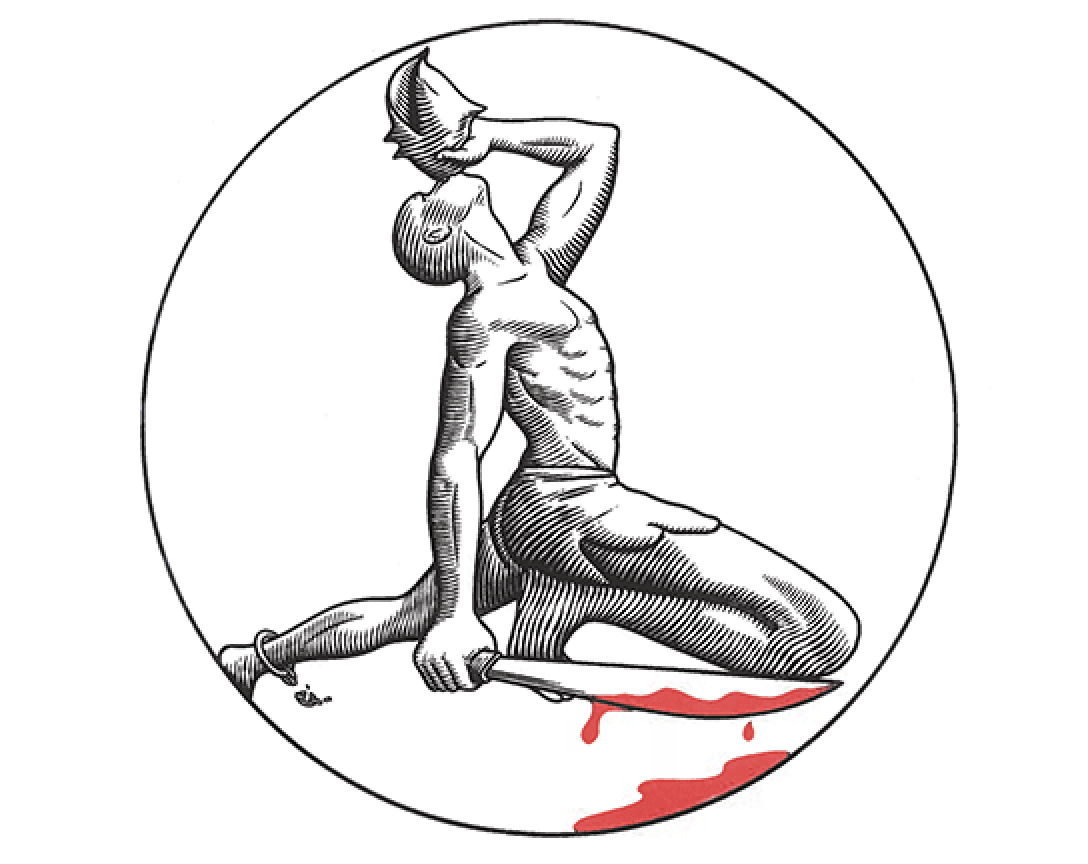
True Survival Stories in Haiti
In thirty days of travel through Haiti, Max C. Sconyers Jr. was held at gunpoint, kidnapped, rescued, injured, and confronted with violence few visitors ever witness. His book tells what happened—and what it cost him.
Buy on AmazonA Journey That Became a Fight to Survive
Some journeys are remembered for their scenery. Others are remembered because the traveler was fortunate to return home. The events described in Killing Haitians: A Mission Through Hell & A Haitian Love Story belong to the second category.
These true survival stories in Haiti come from author Max C. Sconyers Jr.’s own travels and from the firsthand accounts of people whose experiences reveal a side of Haiti rarely seen by ordinary visitors. What began with good intentions became a dangerous passage through fear, confusion, violence, human connection, and unexpected rescue.
This is not a distant overview written by someone studying events from safety. It is a personal account told by a man who found himself inside situations that changed quickly and could have ended his life.
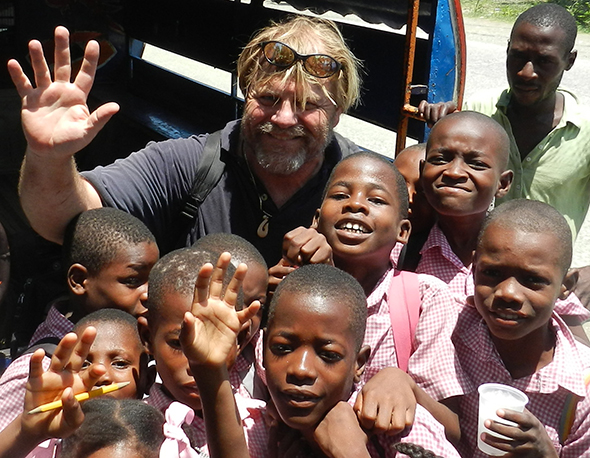
The People Behind the Survival Story
A meaningful survival account is about more than a list of dangers. It also tells us about the people encountered along the way. Haiti was not simply a dramatic backdrop for Max’s journey. It was a place filled with individuals, families, relationships, suffering, courage, beauty, and contradictions.
The book presents the gritty tale of a man who was struggling internally even before the external danger reached him. He entered Haiti well-intended but out of control in his own mind. That inner turmoil followed him into an environment where a misunderstanding, wrong turn, or unexpected confrontation could carry immediate consequences.
By combining his own memories with other firsthand Haitian accounts, Max gives readers a deeply personal view of survival. The result is not merely a travel narrative. It is a story about vulnerability, judgment, fear, relationships, and the complicated path toward peace.
Thirty Days of Danger in Haiti
During thirty days of travel, Max received two bloody noses, was held at gunpoint, was kidnapped, and was later rescued. He also witnessed two Haitians being beaten and killed. These were not imagined dangers created for a fictional thriller. They were events that became part of his lived experience and remained with him long after the journey ended.
The strongest true survival stories in Haiti do not make danger seem glamorous. They show how quickly control can disappear and how dependent survival may become on another person’s decisions, courage, compassion, or willingness to intervene.
When Control Disappears
Facing a weapon changes every calculation. Survival becomes immediate, personal, and dependent on choices made under intense pressure.
Trapped in Uncertainty
Being taken against one’s will creates a particular kind of terror: not knowing where events are heading or whether escape will be possible.
The Human Side of Survival
Rescue is rarely an isolated miracle. It often depends on people willing to act when another person’s safety and life are at risk.
More Than an Adventure Story
Readers looking for true survival stories in Haiti may expect danger, suspense, and narrow escapes. Those elements are present, but the book also asks a more difficult question: What does a person carry home after surviving something that should never have happened?
Physical survival does not immediately settle the mind. Memories remain. Fear can resurface. Grief, guilt, anger, and questions about why one person survives while another does not may continue long after the visible danger has passed. Max’s account reaches beyond what happened during those thirty days and considers the emotional and spiritual consequences that followed.
The book’s subtitle, A Mission Through Hell & A Haitian Love Story, points to that wider journey. The story contains brutality and loss, but it also contains connection, affection, humanity, and the search for meaning. Haiti becomes the setting for an experience in which the worst and best parts of human nature can appear uncomfortably close together.
This balance is what gives the narrative its weight. Max does not present himself as an untouchable hero moving confidently through danger. He writes as someone whose intentions, mental state, decisions, and vulnerabilities were all part of the journey. That honesty allows readers to encounter the story as a personal reckoning rather than a polished legend.
Why Firsthand Survival Accounts Matter
Firsthand accounts preserve experiences that statistics and news summaries cannot fully communicate. They allow readers to understand how danger feels from inside the moment: the confusion before a threat becomes clear, the split-second decisions, the dependence on strangers, and the relief that arrives only after safety is certain.
True survival stories in Haiti can also challenge simple assumptions about the country and its people. Haiti cannot be reduced to either paradise or danger. Max’s experiences reveal a place of extraordinary beauty and tremendous hardship, where violence and kindness, fear and friendship, can exist within the same journey.
For readers drawn to memoirs, Christian social issues, international travel accounts, and stories of survival, Killing Haitians offers an unfiltered narrative shaped by events few travelers witness and fewer still are prepared to describe.
Killing Haitians: A Mission Through Hell & A Haitian Love Story
Follow Max C. Sconyers Jr. through thirty days of danger, rescue, human connection, and personal reckoning in this firsthand account of survival in Haiti.
Buy Paperback or Kindle on AmazonThe audiobook purchase option will be added when online ordering becomes available.